Pimples and acne: when to see a skin doctor
Why pimples keep coming back, the signs that it is time to see a doctor, and simple daily habits that help while acne is being treated.
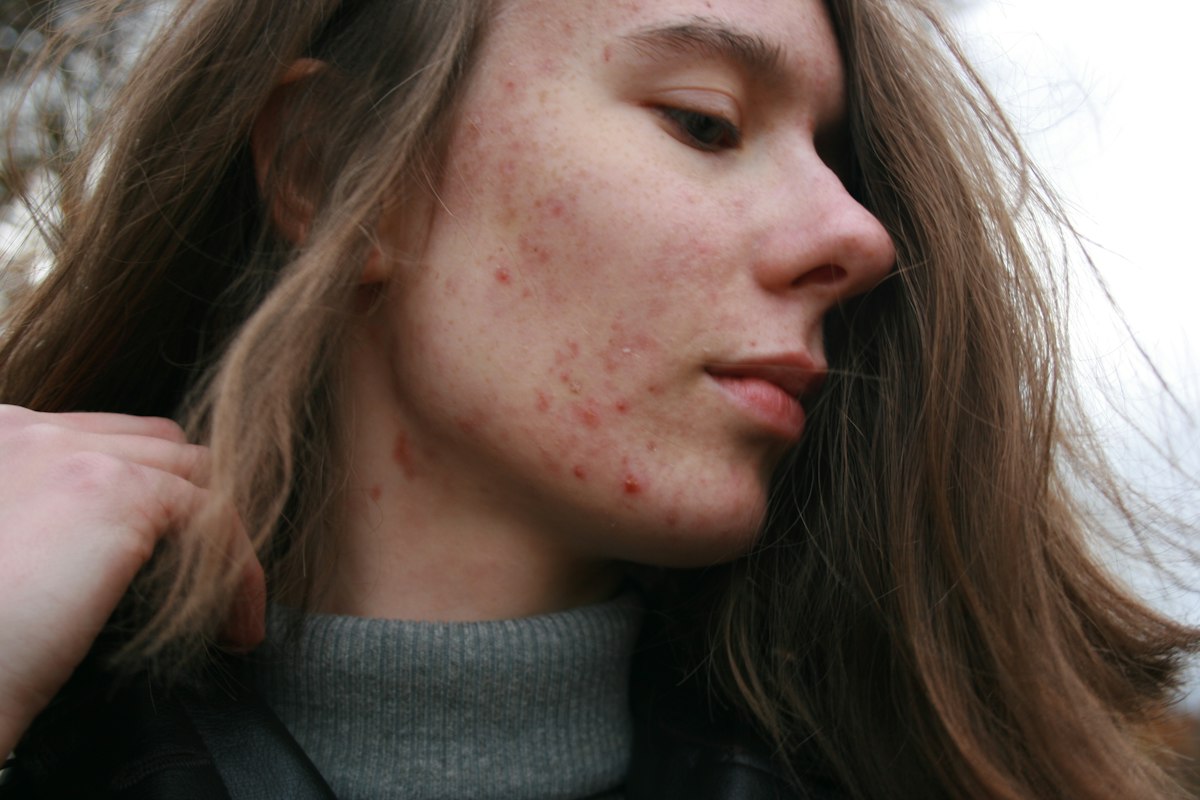
Almost everyone gets pimples at some point. For many people they come and go, but for others they keep returning, hurt, or leave marks. Here is how to tell when it is time to see a doctor, and what you can do in the meantime.
Why do pimples happen?
Pimples form when pores get blocked with oil and dead skin and bacteria multiply inside them, which causes redness and swelling. Hormones, oily skin, some cosmetics and hair oils, friction from masks or helmets, stress and some medicines can all make acne worse.
When should I see a doctor for pimples?
It is worth seeing a doctor when:
- pimples keep coming back even with a gentle routine;
- they are deep, painful or filled with pus (cysts or nodules);
- they leave dark marks or dents in the skin;
- acne appears suddenly in adulthood;
- it is affecting how you feel about yourself.
Treating acne early is the best way to prevent scars.
What happens at an acne consultation?
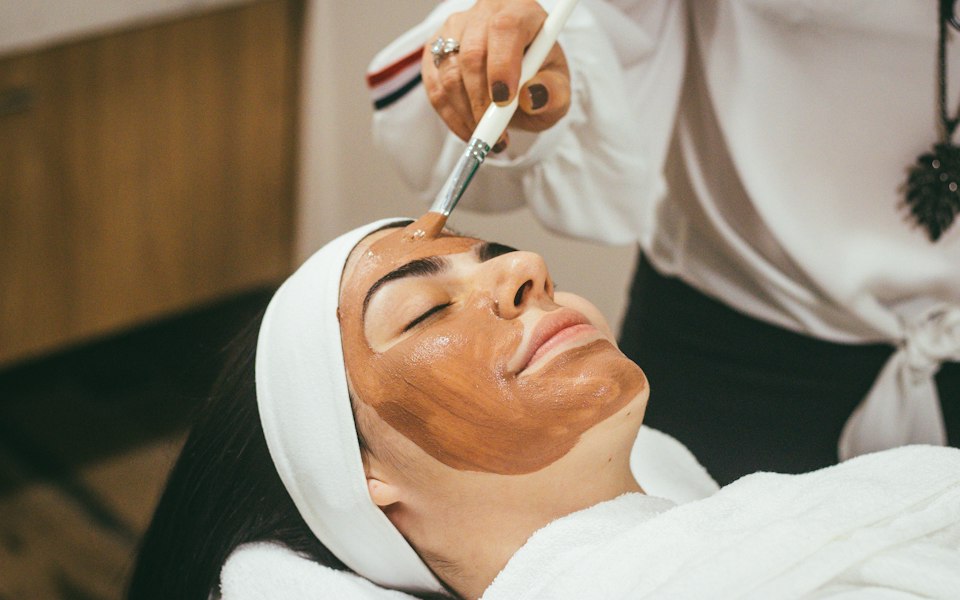
The doctor looks at the type of acne you have, asks about your routine, products, medicines and anything that seems to trigger it, and then explains a plan. Depending on your skin, the plan may include creams or medicines prescribed by the doctor, in-clinic treatments such as peels, and changes to your daily routine.
Should I pop my pimples?
No. Squeezing can push the infection deeper, make the pimple last longer and leave a mark or scar. If a pimple is painful, let the doctor treat it.
What daily habits help?
- Wash your face twice a day with a gentle cleanser - scrubbing harder does not help.
- Use a light, non-comedogenic moisturiser and a sunscreen every day.
- Keep hair oil away from your face and forehead.
- Change pillow covers often and keep your phone screen clean.
- Give a new routine a few weeks before judging it.
Acne marks or acne scars - what's the difference?
Acne marks are flat dark or red spots left after a pimple heals; they usually fade over time, faster with sun protection and treatment. Acne scars change the texture of the skin, as dents or raised areas, and need different treatments. Active acne is usually brought under control before scars are treated.
How long does acne treatment take?
Most plans take a few weeks before you see a change, and acne often needs ongoing care to stay under control. Follow-up visits help the doctor adjust the plan.
Looking for acne treatment in Surat?
At Cure Skin Clinic in Valak Patiya, Surat (124, Mithila Sky, opposite DTC commercial building), Dr Pari Davara looks at your skin first and explains the options, the number of sessions and the cost before you decide. Book a consultation or message us on WhatsApp.